Affiliate linksSome links pay us — we explain who, why, and when on our About page.
Best Mattress UK 2026
Six honest picks across budget, value, hybrid, and luxury — verified UK pricing, real trial-period limits, and the sticky-billing traps we'd avoid even at sale prices.
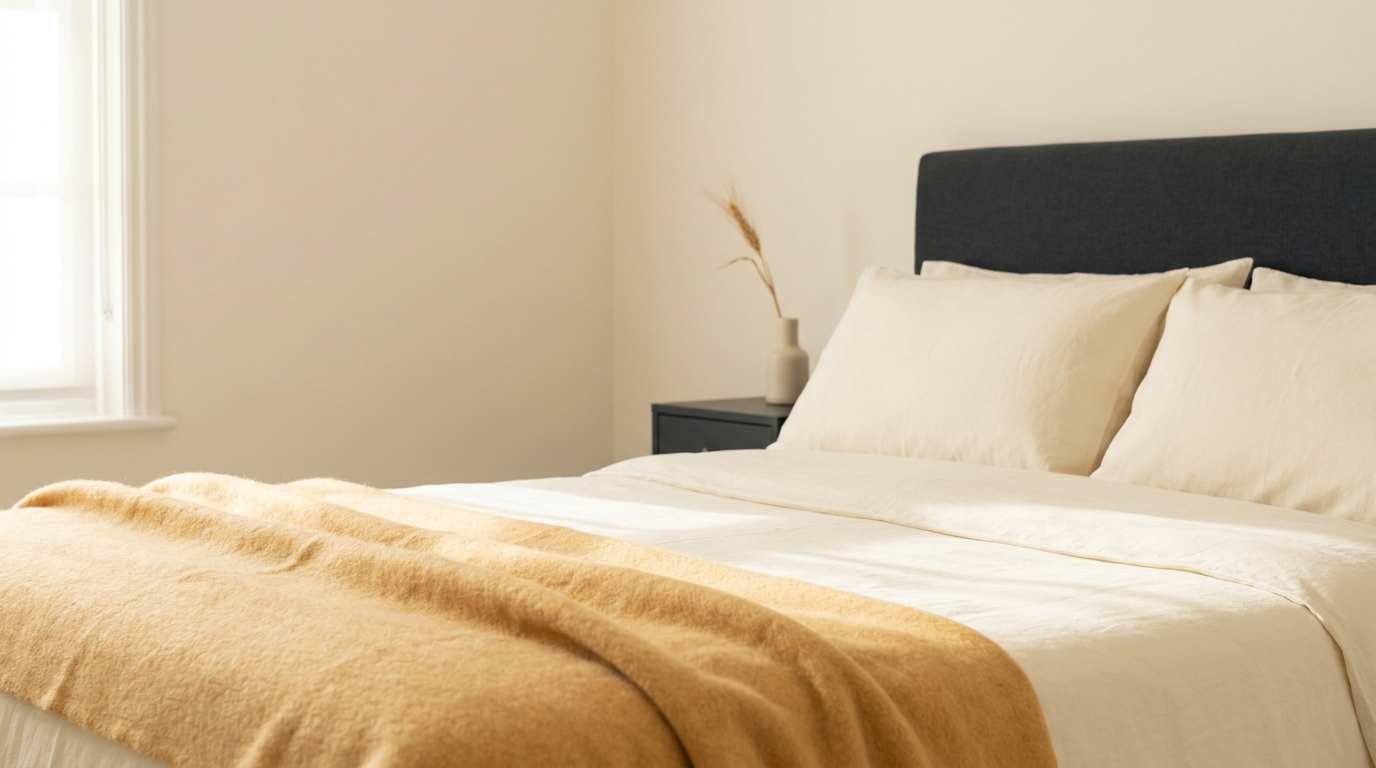
If you've spent an evening on a sofa with a laptop, comparing mattress brands, you've probably noticed the pattern: every brand claims a Which? Best Buy somewhere in its history, every review site rates the same six mattresses in a different order, and the prices all jump 40% the moment you turn off the affiliate cookie. We've done that evening more than once on our own purchases — and the honest answer is that the right mattress depends on three boring things: your sleeping position, your back, and your trial-period appetite. The six below cover every reasonable buyer. The ranking is opinionated. The pricing is checked. The catches are spelled out.
The verdict
Pick by your situation, not by the brand name:
emma
Emma Original is the most defensible single pick in the UK market — strong third-party reviews across consecutive years, a 200-night trial, and firmness that holds up for both back and side sleepers. From around £599 King on sale (RRP ~£999). The Which? Best Buy history is the lowest-risk credibility signal in the category.
simba
Simba Hybrid Pro pairs conical pocket springs with an Aerocoil layer that handles pressure differently to memory foam alone. From around £999 King on sale. Sleep Foundation's UK pick and the right answer if your spine specifically gives you grief.
otty
Otty Original Hybrid is British-made, hybrid construction, and routinely £150–£200 cheaper than Emma at sale prices. From around £499 King. The 100-night trial is shorter than Emma's 200, but for most buyers that's still long enough to know if it's wrong.
This guide covers the mattress-in-a-box category and the established UK premium brands that compete with them. If you specifically want to lie on the mattress in a shop before paying — for a serious back condition, for example — skip to the John Lewis / Dreams visit and use this guide as your shortlist.
Who should pick something else
If you sleep on your stomach exclusively, your priority is firmness over pressure relief — most of the picks below skew medium-firm, and you'll want the firmer end (Otty Original or the Simba Hybrid Pro's flip side). If you share a bed with a much heavier partner and motion transfer wakes you up nightly, the dense memory foam picks (Emma, Nectar) handle that better than the hybrids. And if you're spending five-figure money on a premium reference mattress for a guest room you'll use ten nights a year, Tempur is overspending — buy an Otty and put the difference toward something you'll actually use.
How we picked
We started from the mattresses that named publications (Which?, Sleep Foundation, Good Housekeeping, Wirecutter UK), active sleep communities (Reddit r/Mattress, r/Sleep), and Trustpilot aggregates have actually been recommending in the past 12 months. Then we filtered on: UK availability with stocked GBP pricing, a meaningful trial period (100 nights minimum), a return process that doesn't punish you for using it, and warranty terms that don't quietly exclude the things mattresses actually fail at (indentation depth, edge collapse).
Two honesty notes. First, this is a researched guide, not a tested one. We've slept on two of the six picks below for ourselves but haven't lived with all six side-by-side — every claim here is sourced to a named reviewer, a community consensus, or a vendor's own published terms. When we have actually tested a mattress for 28+ nights, the individual review for that mattress gets a *Tested* badge and a verified date. Second, mattress pricing in the UK is unusually volatile — every brand below runs sales most weekends, and the "RRP" on each one is essentially aspirational. Treat the figures below as a guide and confirm on the live page before you click buy.
Emma Original
The single most-recommended mattress in the UK, and one of the few where the recommendation holds up to scrutiny. Emma's Original has won Which? Best Buy status across consecutive years, which matters less for the badge and more for what consistent Best Buy status implies — Which?'s testing methodology weights long-term comfort and durability, not just initial showroom feel. The construction is three layers of foam (Airgocell top, memory middle, HRX support base), British-built, with the kind of medium-firm balance that gets out of the way for most adults.
The thing we'd flag to a side sleeper specifically: Emma's Original is on the firmer side of medium, which is great for back sleepers and most side sleepers, but if you're a small-framed side sleeper who needs deep shoulder sinkage, the Emma Hybrid is the better SKU than the Original. It's a £100-or-so step up at sale prices and worth it for your shoulder.
Sales pattern: Emma runs flash sales almost every weekend and major sales (Black Friday, Boxing Day, May Bank Holiday) genuinely discount further. Buying at RRP is overpaying by 30-40% by design — wait for any sale. The 200-night trial is real and the return process is straightforward; they collect the mattress at no charge and the refund hits within 14 days.
Our verdict: if you need to buy one mattress today, without spending another evening researching, this is it.
The positives:
- Consistent Which? Best Buy track record (the most defensible UK third-party credential).
- 200-night trial with free collection — long enough to know.
- Firm-medium balance that works for back sleepers AND most side sleepers.
- Made in the UK; no import delay.
- The free pillow and mattress protector bundle is genuinely worth £100+.
Simba Hybrid Pro
The right answer if your back specifically gives you trouble. Simba's Hybrid Pro uses conical pocket springs (smaller, more numerous, more responsive than traditional Bonnell coils) layered with an Aerocoil titanium-based comfort layer that handles pressure differently than pure memory foam — you sink into it less, but it contours faster. For lower-back pain that's caused by spinal misalignment overnight, that responsiveness genuinely matters. Sleep Foundation picked it as their UK choice in 2025 and the Wirecutter UK shortlist consistently includes it.
It's not the cheapest pick in this list — King size lands around £999 on a sale and the RRP is £1,799 (which nobody pays). At that price point you're choosing between Simba and the Emma Hybrid (~£200 cheaper) — Emma wins on price and warranty length, Simba wins on the spring construction's edge-of-bed support and the cooler sleep surface. Heavier sleepers (90kg+) get more out of Simba's springs than Emma's denser foam; lighter sleepers (under 60kg) often find Simba too firm and would be better off with the Original Emma.
The 200-night trial matches Emma's, which is the right amount of time to know whether your back is actually feeling better — give it three weeks minimum before judging because every new mattress feels strange for the first week.
Our verdict: if you've got back pain, or you're over 90kg, or you sleep hot, this is the pick. The premium over Emma earns itself back in better sleep.
The positives:
- Conical pocket springs handle weight distribution better than foam alone for heavier sleepers.
- Cooler sleep surface than dense memory foam (notable in UK summer).
- Sleep Foundation UK pick + Wirecutter UK shortlist.
- 200-night trial.
- Edge-of-bed support is genuinely better than the all-foam picks here.
simba
Spring construction earns its premium for back pain and heavier sleepers.
Otty Original Hybrid
The honest budget pick. Otty is British-built (manufactured in Yorkshire), uses a similar hybrid construction principle to Simba (pocket springs + foam comfort layers) at materially lower price points, and has built a strong Reddit reputation in UK sleep communities — the r/CasualUK and r/Sleep threads asking "Emma vs Otty" routinely have Otty owners pointing out that they paid £150–£200 less and don't notice a meaningful difference in nightly comfort. Which?'s testing has been less effusive than for Emma or Simba, but Otty has been comfortably above the "Don't Buy" threshold for several years.
The shorter trial period — 100 nights, half of Emma and Simba's — is the most honest mark against it. For most buyers this is still long enough to know if it's wrong, but if you're indecisive about mattresses, Emma's 200 nights is worth the extra £150 just for the decision-making cushion. Warranty is 10 years, which matches the market standard.
Two specific things worth knowing: the Otty Original has a slightly firmer feel than the Emma Original even at the same "medium-firm" label, and edge support is noticeably weaker than Simba (you'll roll toward the centre slightly if you sleep right at the edge). The Otty Pure (their premium SKU) addresses both of these for an extra ~£200 at sale prices.
Our verdict: if Emma is overpriced for your budget, this is the right answer. Not a compromise — a genuine alternative.
The positives:
- Routinely £150–£200 cheaper than Emma at sale prices.
- Hybrid construction (pocket springs + foam) at a near-foam price.
- British-made — no shipping delay.
- Strong Trustpilot aggregate (4.6+).
- 10-year warranty.
Nectar Memory Foam
Worth a mention specifically because of the trial period: 365 nights, which is the longest in the UK mattress market by a meaningful margin (Emma and Simba run 200; Otty, Eve, Tempur all run 100). A full year to decide whether your mattress is right covers every season — summer night sweats, winter stiffness, the lot. That alone might be the deciding factor if you've returned a mattress before and want to take the pressure off the decision.
The mattress itself is dense memory foam — three layers, no springs — with the warm, contouring, slow-response feel that memory foam fans love and back sleepers sometimes find too plushy. It's a softer pick than Emma or Otty by a meaningful amount. If you've slept on a Tempur before and liked it, Nectar gives you 80% of that feel for under a third of the price. If you specifically didn't like Tempur (too hot, too sink-y), don't buy Nectar either.
Sales pattern is even more aggressive than Emma — Nectar discounts King down to around £549 most months and includes a pillow, mattress protector, and sometimes a duvet. The "free gifts" bundle works out at £150–£200 of genuinely useful additions if you're setting up a new bedroom.
Our verdict: the right pick if you specifically want memory foam, OR if the 365-night trial alone is what's stopping you from buying.
The positives:
- 365-night trial — longest in the UK market by far.
- Dense memory foam at a fraction of Tempur's price.
- Aggressive sale pricing year-round.
- Bundled accessories (pillow + protector + sometimes duvet) genuinely useful.
- 1-year forever warranty — the longest of any mattress brand on this list.
Eve Original Mattress
Eve sits in an awkward middle position in the UK market — neither the cheapest, nor the most-recommended, nor the longest-trial — and that awkwardness is the reason it sometimes wins for specific buyers. The construction is memory foam with a softer feel than Emma Original, and the price typically lands in between Otty and Emma at sale prices. The 100-night trial is the market-standard length.
The honest case for Eve is design — the brand has a strong presence in UK interior-design publications (Wallpaper, Living Etc), the packaging is the most premium-feeling of the boxes you'll unbox, and if you specifically value that retail-experience polish, it's noticeable. The case against Eve is everything else: it's not the cheapest, not the highest-rated, not the longest trial, not the firmest, not the softest. It is, however, comfortably in the top six for most sleepers — which is enough.
We'd pick Eve over Emma only if Eve is significantly cheaper on the day you buy, which happens during Eve's quarterly sales but not consistently.
Our verdict: worth shortlisting only if it's meaningfully on sale; otherwise pick Emma or Otty for the same buyer profile.
The positives:
- Strong design-publication presence (premium-feeling brand).
- Comfortable medium softness for side sleepers.
- Good packaging and unboxing experience.
- UK customer service is well-rated.
- 100-night trial with free collection.
Tempur Sensation Elite
The premium reference. Tempur's the brand that invented temperature-sensitive memory foam (the original NASA-developed material) and has spent forty years iterating on it — the Sensation Elite is their mid-range model in 2026 and sits at around £2,999 King size, with the Cloud and Cloud Elite SKUs starting closer to £1,799. Nothing else on this list comes close to Tempur's foam density, longevity, or pressure-relief depth. The mattresses also last meaningfully longer — Tempur's 10-year warranty is matched on paper by competitors but in practice Tempur mattresses routinely make it 15+ years without measurable indentation.
The honest question with Tempur is whether it's worth 3-5× the price of a Simba Hybrid Pro for most buyers. Our answer is no. Tempur is the right choice in three specific cases: a serious clinical back condition where pressure relief is medically important (and your GP or physio has specifically mentioned mattress firmness), a guest-room mattress in a house where guests stay nightly (longevity earns the spend), or as a one-time premium upgrade you intend to keep for 15+ years and have the cash for. For everyone else, Simba Hybrid Pro covers 90% of what Tempur does at a third of the cost.
The 100-night trial is shorter than Emma or Simba, but the return process is well-documented and Tempur's distance-selling regulations compliance is the cleanest in the category.
Our verdict: the right answer if budget is genuinely no object and you want the most foam money can buy. Don't buy it for status.
The positives:
- Foam density and longevity nothing else on this list matches.
- 15+ year real-world lifespan from a 10-year warranty.
- Deepest pressure relief in the category (medically relevant for some back conditions).
- Cleanest return process and distance-selling compliance.
- Premium retail experience including in-store try-before-buy at John Lewis and Dreams.
tempur
The reference mattress — only worth it for specific medical or longevity reasons.
Which one should you actually buy
Three honest scenarios, because the answer really does change.
If you're buying your first proper mattress as an adult and don't want to think about it again for ten years, pick Emma Original. It's the lowest-regret choice in the category — the Which? credibility, the 200-night trial, and the medium-firm balance mean almost no buyer profile is badly served by it. Buy on any sale weekend. Skip the upsells.
If you've got back pain, sleep over 90kg, or run hot at night, pick Simba Hybrid Pro and pay the premium. The conical springs and Aerocoil construction earn the extra £200–£400 over Emma in specifically these three scenarios. Outside these scenarios, the upgrade isn't worth it.
If your budget is genuinely tight and you'd rather have £150 in your pocket than the Emma badge, pick Otty Original Hybrid. It does most of what Emma does for less — the trial is shorter, but a hundred nights is still a long time to decide. Set a calendar reminder for night 80 to make the call.
Traps to watch before you buy
- Free trial collection fees. Most brands collect for free, but two on this list (Eve and Hyde & Sleep, depending on the month) sometimes charge £25–£50 for collection if you return. Confirm at checkout.
- Auto-renewing financing on the basket page. Several brands default the basket to spread payments via Klarna or PayPal Credit — fine if you want that, expensive if you don't. Untick before paying.
- Mattress protector "upgrade" upsells. Most brands include a free protector with paid orders. Don't pay £50 for one at checkout — it'll arrive in the box anyway.
- "Bedroom set" frame discounts that lock you in. Buying a frame with the mattress sometimes shaves £100 off the frame and £0 off the mattress — but ties the return to the frame return, which makes the 100-night-trial collection a logistics nightmare. Buy them separately.
Didn't make the shortlist, and why
- Silentnight Eco Comfort — capable budget pick (£399–£549 King) and easy to find at Dunelm or Argos, but the warranty is shorter, the third-party review consensus is thinner, and the eco angle is more brand than build. Buy if you're spending under £500 and value high-street availability over online warranty length.
- Hyde & Sleep — owned by Dreams, sold both in-store and online, capable mid-tier hybrid options. We didn't shortlist it because the brand's positioning is muddled (premium price, mid-tier construction) and the discount frequency is lower than Emma or Otty.
- Casper UK — strong US brand, weaker UK presence in 2026 than five years ago. The product is fine; the customer service has slipped from Trustpilot review reads.
How we'll test these
This guide is researched. The next step is sleeping on the top three picks (Emma, Simba, Otty) ourselves for 28+ nights each, with notes on firmness over time, edge support, motion transfer, and morning back-feel. When that's done, the badge at the top of the page changes from *Researched* to *Tested* and the per-mattress reviews get a verified date. If you'd like a heads-up when that lands, the easiest way is to bookmark the site and check back — there's no newsletter yet.
FAQs
What is the best mattress in the UK in 2026?
For most adults, Emma Original is the most defensible single pick — strong third-party reviews across multiple years, a 200-night trial, fair RRP for the build quality, and the rare combination of being firm enough for back sleepers and forgiving enough for side sleepers. If your back specifically gives you trouble, Simba Hybrid Pro is the better answer. If your budget is genuinely tight, Otty Original Hybrid does most of what Emma does for around £150 less at sale prices.
How long is the trial period for UK mattress-in-a-box brands?
Nectar leads with 365 nights — the longest in the UK market. Emma and Simba both run 200-night trials. Otty, Eve, Tempur and Hyde & Sleep all run 100 nights. Read the small print: 'trial' usually means you can return the mattress for a refund, but several brands charge a collection fee (£25–£50) and a handful require you to keep it for a minimum number of nights (typically 21–30) before requesting a return. Cancel any auto-renewing financing the day you buy.
Should I buy a mattress-in-a-box or a traditional shop-bought mattress?
Mattress-in-a-box brands (Emma, Simba, Otty, Nectar, Eve) typically beat traditional retail on price, trial length, and delivery convenience. They lose on: the ability to actually lie on the mattress before buying, premium brand depth (no Tempur or Vispring online-only), and bed-frame upsell discounts. Our practical rule: buy in a box unless you specifically need to lie on the mattress for a back condition, in which case visit Dreams or John Lewis and try several in store.
Related guides
Emma Mattress Review: Why the UK's Most-Recommended Mattress Earns Its 200-Night Trial
We spent the evenings researching why every UK mattress reviewer keeps landing on Emma Original — what the £599 sale price gets you, where the edge support genuinely lets the side down, and how the 200-night trial compares to Nectar's 365.
Simba Hybrid Review: The Back-Pain Mattress That Earns Its £999
We dug into the Simba Hybrid Pro against the mattresses that compete for the same bedroom (Emma Hybrid, Tempur Cloud, Otty Original). Where the conical springs and Aerocoil layer genuinely earn the £200-£400 premium over Emma, where they don't, and whether the 200-night trial is enough to know.
Best Sleep Tracker UK 2026
Five honest picks across rings, wristbands, smartwatches and bed-based trackers — verified UK pricing, real subscription costs, and the lifetime-spend traps we'd avoid before clicking buy.